Judging by Touch
Due to frequent friction, many small scratches on brake discs are normal.
However, if the scratches are noticeably deep, forming grooves, you can touch the edges of the grooves with your finger. If the edges are sharp, the grooves are deep, and you should consult a 4S dealership to see if replacement is necessary.
Observing the Grooves
Most brake discs have small grooves, known as wear indicators. When the grooves are no longer visible, the brake disc has reached its wear limit and needs immediate replacement.
Judging by Thickness
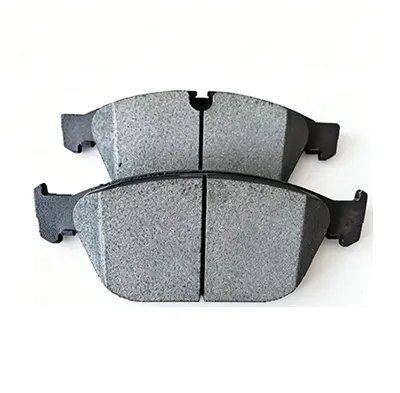
Brake pads become thinner with prolonged use and constant friction during braking. Their typical lifespan is around 40,000-60,000 kilometers, but harsh driving conditions and aggressive driving styles can shorten this lifespan.
If the brake caliper design makes the brake pads invisible to the naked eye, you can have the mechanic remove the wheels for inspection during vehicle maintenance.
Both ends of the brake pads have a raised indicator, approximately 2-3 millimeters thick; this is the thinnest point at which the brake pads should be replaced. If the brake pads are almost parallel to the wear indicator, they need to be replaced immediately.
Assess by sound
If you hear a sharp, piercing "hissing" sound when lightly applying the brakes, it means the pads have reached their wear limit, causing the wear indicator to rub directly against the brake disc. In this case, immediate replacement is necessary.
Assess by dashboard indicator lights
If the brake indicator light on the dashboard is illuminated, it indicates a malfunction in the vehicle's braking system.
Focus on checking the brake discs (pads) for excessive wear. If there is no obvious excessive wear on the brake discs (pads), the brake indicator light may be constantly illuminated due to insufficient brake fluid or a wiring problem. In this case, you should take your vehicle to a 4S dealership for inspection and repair as soon as possible.