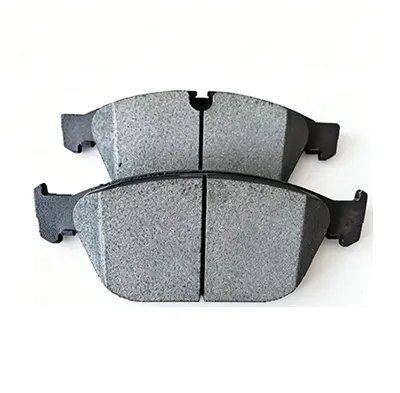
Replacing brake discs is a complex but crucial part of vehicle maintenance, directly impacting braking performance and driving safety. Here is a detailed and safe guide to replacing brake discs:
Preparation
Tools: First, ensure you have all necessary tools, including a jack, tire wrench, box wrench or socket wrench (for removing brake caliper bolts), C-clamps or brake piston reset tool, new brake discs, brake pads (if replacing them simultaneously), and cleaning cloths and brake cleaner.
Safety Measures: Park the vehicle on a flat, hard surface. Engage the handbrake and ensure the vehicle is in Park (P) (automatic) or Neutral and the clutch is depressed (manual). Place wheel chocks in front of and behind the wheels to prevent slippage. Wear protective gloves and safety glasses in case of an accident.
Removal Process
Lifting the Vehicle: Use a jack to lift the wheel whose brake disc needs replacing, ensuring the jack is supported on the designated fulcrum for safety. After raising the brake disc, use a tire wrench to remove the nut and carefully remove the tire.
Remove the brake caliper: Brake calipers are usually secured to the brake bracket with two bolts. Use a box wrench or socket wrench to remove these bolts, then gently remove the caliper from the brake disc. Be careful not to let the caliper hang on the brake hoses, as this could damage them. You can use a wire or rope to temporarily hang the caliper nearby.
Remove the old brake disc: Once the caliper is removed, you will see the brake disc. Some brake discs may be removed directly, while others may require gently tapping the edges with a screwdriver or hammer to loosen any rust or adhesive. Be careful not to damage the brake bracket or wheel hub when removing the old brake disc.
Install the new brake disc
Cleaning and Inspection: Before installing the new brake disc, thoroughly clean the brake bracket and wheel hub contact surfaces with a cleaning cloth and brake cleaner, ensuring there is no oil, dust, or rust. At the same time, inspect the brake bracket and wheel hub for damage or wear, and replace them if necessary.
Install the new brake disc: Align the new brake disc with the locating hole on the wheel hub and gently insert it. Ensure the brake disc fits perfectly against the wheel hub, without any misalignment or gaps.
Reset the brake piston: If the brake pads have been replaced, you may need to use a C-clamp or brake piston reset tool to push the brake piston back into the caliper to make room for the new brake pads. Handle this step carefully to avoid damaging the piston or seals.
Reinstall the brake caliper: Reinstall the brake caliper onto the brake bracket and secure it with bolts. Ensure the bolts are tightened to the manufacturer's recommended torque value.