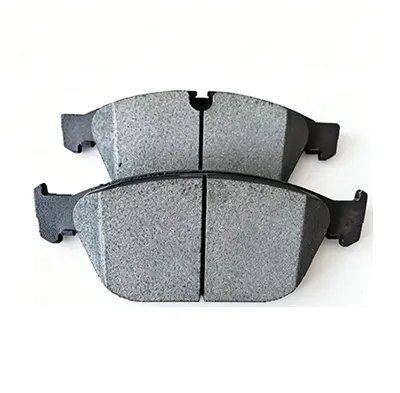
Brake shoes, as critical safety components of braking systems, must adhere to relevant technical standards and certification requirements in their production and sales to ensure braking performance and driving safety. Voluntary product safety certifications exist for specific products, while broader testing ensures compliance with national standards and industry specifications.
For example, voluntary product safety certification for brake shoe assemblies and brake pad assemblies for motorcycles and mopeds follows a certification model of "type testing + initial factory inspection + post-certification surveillance." Products are categorized into four certification units based on brake shoe diameter (φ): φ≤95mm; 95mm<φ≤110mm; 110mm<φ≤130mm; φ>130mm. Testing is based on the standard QC/T 226-2014(2017), with key testing items including friction performance, bond shear strength, radial crush strength, and asbestos content.
A broader range of brake shoe product testing covers brake shoes used in passenger cars, commercial vehicles, motorcycles, and special vehicles such as construction machinery, railway vehicles, wind power equipment, and military vehicles. The testing items include multiple indicators such as friction coefficient, hardness, wear resistance, high temperature resistance, dimensional accuracy, braking noise, vibration characteristics, and environmental performance.