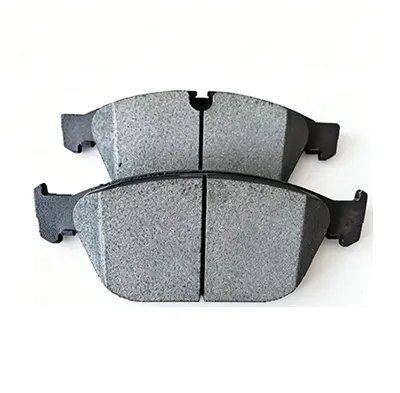
Visual Inspection Method
Visual inspection is a simple and intuitive method. The degree of wear is judged by observing the appearance of the brake pads. Normally, new brake pads should be about 10-12 mm thick. When the brake pads are worn down to 2-3 mm, replacement should be considered.
Tactile Inspection Method
With the vehicle stopped and the handbrake engaged, touch the surface of the brake pads. New brake pads are usually smooth and flat. If the brake pads are severely worn, there will be a noticeable unevenness, and you will feel significant friction when touching them.
Brake Pad Thickness Gauge
A brake pad thickness gauge is a professional measuring instrument used to accurately measure the thickness of brake pads. When using it, insert the gauge into the gap of the brake pad and read the thickness data. When the brake pad thickness reaches or approaches the minimum specified value, replacement should be considered.
Noise Inspection Method
When brake pads are severely worn, noise will occur. This is caused by the friction between the brake pads and the brake disc. If you hear a sharp, screeching sound or a clicking noise during braking, it's likely that your brake pads are severely worn and need to be replaced immediately.
Brake Distance Test Method
The brake distance test is a relatively straightforward method. Under safe conditions, you assess the brake pad wear by testing the vehicle's braking distance. If the braking distance increases significantly under the same conditions, it indicates that the brake pads are severely worn and need immediate replacement.
Shop Inspection Method
If you suspect brake pad wear, you can have it inspected at a professional repair shop or 4S dealership. They will typically use specialized equipment to assess the wear and provide professional advice.