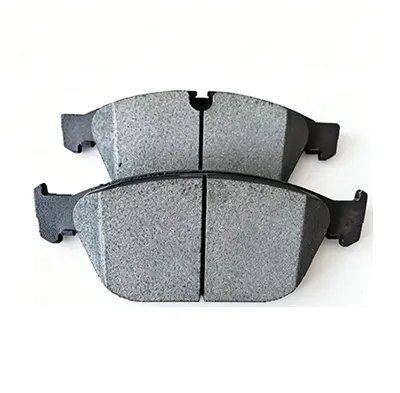
1. Suitable Coefficient of Friction: The coefficient of friction is the most fundamental parameter of friction materials, determining the basic braking torque of brake pads. National standards specify a brake friction coefficient between 0.35 and 0.40. Qualified brake pads have a moderate and stable coefficient of friction; too high a coefficient can cause wheel lock-up, loss of steering control, and pad burnout during braking, while too low a coefficient results in excessively long braking distances.
2. Reliable Safety: Brake pads generate instantaneous high temperatures during braking, especially at high speeds or during emergency braking. At high temperatures, the coefficient of friction decreases, a phenomenon known as thermal fade. The degree of thermal fade determines the performance under high-temperature conditions and during emergency braking.
3. Satisfactory Comfort: Comfort is a direct reflection of friction performance, including braking feel, noise, dust, smoke, and odor. Car owners are often most concerned about brake pad noise. Noise arises from abnormal friction between the brake pads and the brake disc, and its causes are complex, including braking force, brake disc temperature, vehicle speed, and weather conditions.
4. Reasonable Lifespan: Lifespan is a product indicator that is of general concern. Brake pads typically have a lifespan of 30,000 kilometers.